Furniture describes objects designed to support interior living spaces, emphasizing form, function, and enduring usability. In this category, emphasis lies on materials, construction quality, and ergonomic design that contribute to comfort and long-term value. Key considerations include durability, maintenance requirements, and how pieces integrate with existing room layouts and lighting schemes.
Understanding bedding and interior textiles is essential for making informed choices about comfort and support. This category highlights pieces that influence sleeping and lounging experiences, such as pillow configurations, mattress toppers, and breathable fabric covers. Meta keywords such as pillows, travel pillows, bedding, latex, and toppers reflect the broader relevance of material science to restful environments.
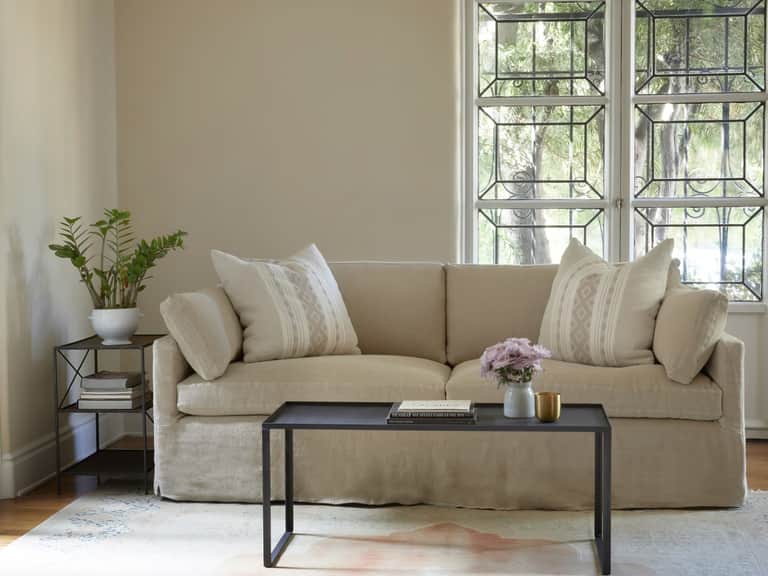
Among notable furniture items are the Cisco Home Louis Sectional and Cisco Home Louis Sofa, both designed to offer versatile seating and durable upholstery. Features often include modular configurations, high-resilience foam, and frame construction that supports sustained use. Functional benefits encompass lounge zones, mixed-use space efficiency, and adaptability to room shapes.
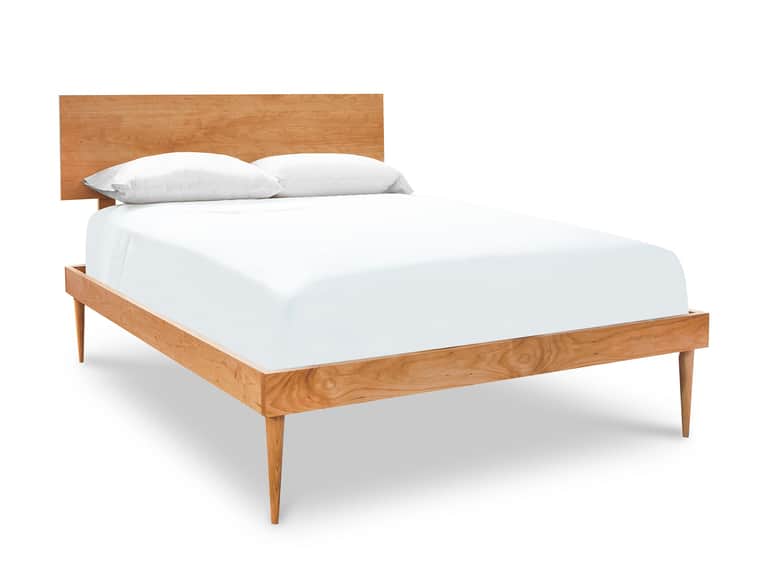
Another important product is the Charlotte Upholstered Bed, which combines supportive geometry with fabric or slipcover options. Its design typically emphasizes headboard comfort, frame stability, and ease of integration with lighting and storage solutions. The result is a central bedroom anchor that supports restful sleep and coordinated aesthetics.
Collectively, this category emphasizes the relationship between materials, ergonomics, and environmental considerations in furniture design. An informed approach considers load distribution, fabric care, and how latex or other comfort layers influence temperature regulation and long-term comfort. Understanding these factors helps evaluate how each piece fits functional needs and stylistic preferences.
 Furniture