Organic materials · Mattress comparison
Naturepedic and Obasan: Comparing Approaches to Organic Sleep Materials
Naturepedic and Obasan both appeal to shoppers looking for sleep products made with natural and organic materials. But a brand name or broad promise cannot tell you how a particular mattress is built, how it will feel, or whether it suits your home. The clearest comparison starts with the details: materials, certifications, construction, support, temperature comfort, and care.
Published October 22, 2026
Begin with the mattress, not the label
Choosing an organic mattress is a little like reading a map of a landscape. The headline may point you toward a broad destination—natural fibers, reduced reliance on certain materials, or a more carefully documented supply chain—but the route is drawn in the specifications. A mattress is a layered object. Its cover, comfort layers, support core, fire barrier, adhesives, and internal assembly each influence the finished product. “Organic” is not a complete description of any of them.
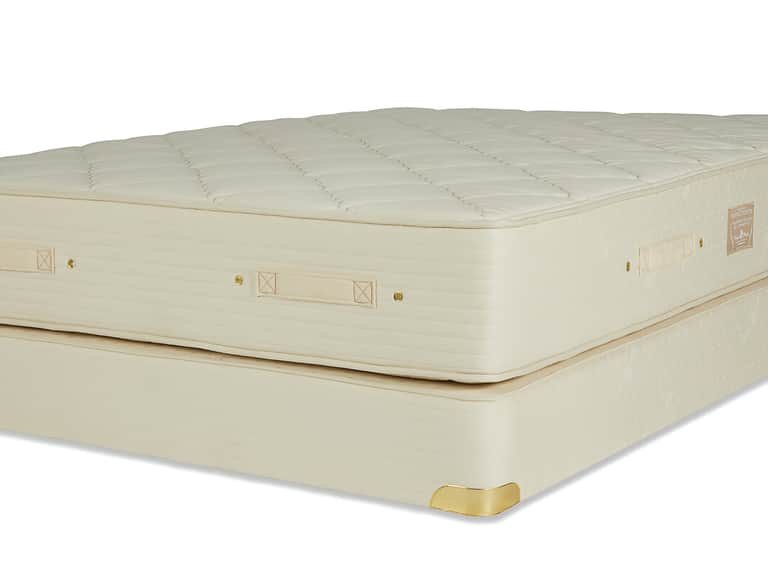
Naturepedic and Obasan are names shoppers may encounter while researching organic sleep products. Their offerings should be compared model by model rather than treated as interchangeable expressions of a single design philosophy. A brand can make several mattresses with different constructions and feels. Even within one product line, configuration or size may affect the materials used. The useful question is not simply which company is more natural; it is what the specific mattress contains, how those components are verified, and whether their combined feel works for the sleeper.
This distinction matters because material language can be broad. Natural latex, organic cotton, wool, and other fibers each have different properties and sourcing considerations. A product page may name a material without explaining its percentage, location in the mattress, treatment, or certification status. For a careful comparison, seek a complete component list and ask for clarification where descriptions leave gaps.
Read the layers from the surface inward
Start with the cover. It is the first material your sheets meet and can contribute to the mattress’s texture and initial sense of warmth. Look for the fiber content, whether the fabric is knitted or woven, and whether it includes a treatment or backing that is not obvious from the front-facing description. A natural-fiber cover may feel different from a synthetic one, but fabric alone does not determine the temperature of an entire mattress.
Next, examine the comfort layers. These sit beneath the cover and influence how readily the surface yields to pressure. Latex, wool, cotton, and other materials respond differently to weight and movement. Some constructions feel buoyant and responsive; others may feel more cushioned or have a slower response. Those descriptions are starting points, not guarantees. The depth and arrangement of a layer, the firmness of the material, and the layers beneath it all shape what a person experiences.
Then consider the support core. This is the deeper structure designed to support the body and maintain the mattress’s form. The term “support” does not automatically mean firm, nor does a soft surface necessarily indicate inadequate support. A sleeper’s experience depends on how the whole mattress interacts with body shape, weight, sleep position, and the base underneath it. If a manufacturer provides a diagram or layer-by-layer specification, use it. If the details are missing, ask before treating a general materials statement as a full construction explanation.
Finally, check how the mattress addresses fire-safety requirements. Manufacturers may use different materials or approaches for this purpose. The relevant details should be provided by the brand for the specific model; do not assume that all organic mattresses use the same method. Ask what forms the fire barrier, whether its composition is documented, and where the information can be reviewed. Clear answers are more useful than a broad assurance.
Certifications: what they do and do not establish
Certifications can help make complex supply chains easier to understand. They may apply to a particular fiber, ingredient, processing standard, finished product, or manufacturing facility. The scope matters. A certificate for one component should not be read as proof that every part of the mattress has the same status, and a general statement about a company’s materials is not a substitute for documentation tied to the model under consideration.
When comparing Naturepedic and Obasan, look for the name of each certification and verify what it covers. Does it apply to the finished mattress or only to one material? Is it current? Does the product listing identify the certified component, and can the seller or manufacturer provide supporting details? If the claim refers to an ingredient, ask how that ingredient is used in the product. These questions are not expressions of distrust; they are part of understanding what a label means.
It is also helpful to separate certification from a broader environmental or health claim. A certification has a defined scope and criteria, while words such as “clean,” “green,” or “non-toxic” may be used in different ways. They do not, by themselves, explain a product’s full composition or establish that it will solve a health concern. For readers with allergies or sensitivities, reviewing the exact material list and consulting an appropriate health professional may be more useful than relying on a slogan.
A practical comparison sheet can prevent a confusing collection of badges from becoming the whole decision. Record the certification name, the component it covers, the issuing organization, and whether the claim is specific to the model. If one brand’s product page offers more detail than another’s, that difference is useful information about transparency, though it does not alone settle which mattress will be more comfortable.
Comfort is a personal landscape
Mattress comfort has no universal setting. Two people can lie on the same surface and describe it differently because their bodies, sleeping positions, preferences, and past experiences are different. Firmness labels are especially easy to overinterpret. A “medium” mattress is not a standardized promise of the same feel across brands, and a stated firmness does not reveal how the mattress responds beneath a shoulder, hip, or lower back.
Side sleepers often pay close attention to pressure around the shoulder and hip, while back sleepers may focus on whether the surface feels balanced beneath the torso. Stomach sleepers may have different preferences again. These are useful prompts for testing, not rules that dictate a purchase. Body proportions, personal comfort, and the mattress’s construction can change the outcome.
When possible, try the exact model and configuration you are considering. Lie in your usual sleep position for more than a brief moment, and notice whether pressure builds, whether you can change position easily, and whether your body feels evenly supported. Couples can test together, since movement transfer, space, and different comfort needs may influence the choice. Ask how the mattress is intended to be paired with a base, as the foundation can affect feel and performance.
For an online purchase, examine the trial period and return policy before ordering. Read the full terms: the length of the trial, any required break-in period, pickup arrangements, fees, and conditions for a return can all matter. A generous-sounding policy is only useful when its details fit your circumstances. Keep the confirmation and policy documentation accessible until you are confident in the mattress.
Breathability and temperature comfort
Many shoppers turn to natural materials hoping for a cooler night. Material properties can contribute to how a mattress manages heat and moisture, but no fiber or filling guarantees that every sleeper will feel cool. The room’s temperature, bedding, sleepwear, ventilation, mattress protector, and individual physiology all take part in the nighttime climate.
In a product comparison, note which materials sit near the surface and how the layers are assembled. A breathable textile at the cover may contribute to a different sensation from one buried deeper in the mattress. Wool is often discussed for moisture management and temperature regulation; latex is often valued for its responsive feel. Those general material characteristics do not predict a particular person’s experience without the mattress’s full construction and a real-world trial.
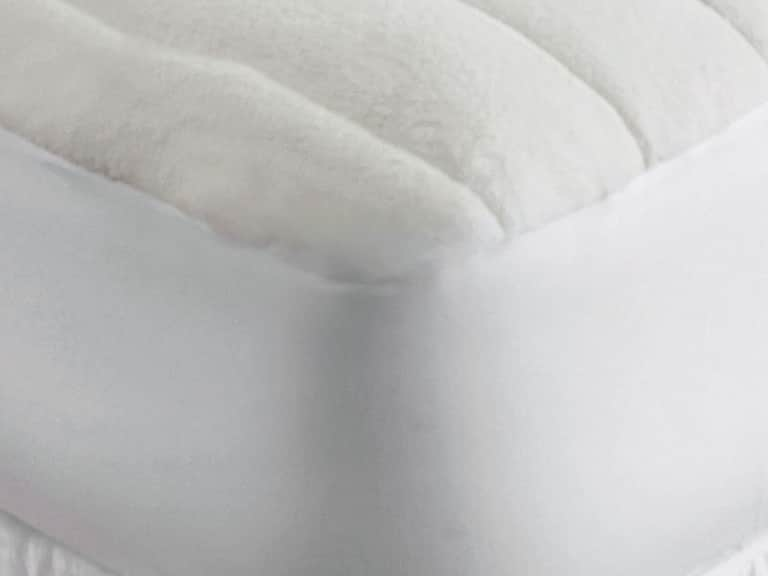
Consider the rest of the bed as a system. A thick protector or tightly woven bedding can change how the surface feels. A mattress placed on a poorly ventilated base may behave differently from one used with a suitable slatted foundation. If warmth is a recurring concern, test the mattress with the bedding you expect to use and ask the manufacturer about recommended bases, protectors, and care. Small details outside the mattress can influence comfort more than a broad material claim suggests.
Care, durability, and the life of the product
Before buying, find out how the mattress should be maintained. Can it be rotated? Is it designed to be flipped, or does it have a specific top and bottom? What should be done if there is a spill? Can the cover be removed, and if so, is it washable? Answers differ by model, and assumptions can damage materials or affect warranty coverage.
Durability is also a question of construction and use, not simply a material name. Look for the manufacturer’s guidance on expected maintenance, the base requirements, and the warranty’s terms. A warranty is not a forecast of comfort or a promise that a mattress will remain unchanged. It is a defined agreement with exclusions and procedures. Read what it covers, what it does not, and what evidence may be needed to make a claim.
Ask about repair options and end-of-life guidance where available. A removable or replaceable component can matter for upkeep, but only if the manufacturer describes how replacement works. If disposal or recycling is important to you, check local programs rather than assuming a mattress can be handled through ordinary curbside collection. In St. Louis, residents should confirm current options and acceptance rules with local waste or recycling services, since programs can change.
A fair way to compare Naturepedic and Obasan
Brand comparisons can quickly become a contest of adjectives. One description may emphasize craftsmanship, another sourcing, and another a particular material. Instead of deciding on the strength of language, make a side-by-side record of verifiable details for the exact models you are considering. This keeps the comparison focused on evidence and on your own priorities.
- Materials: List every disclosed layer, its material, and its position in the mattress. Note any components that are not specified.
- Certifications: Record the certifier, the specific claim, and the material or product it covers. Seek current documentation where possible.
- Construction: Compare the layer arrangement, mattress height, available configurations, and recommended foundation.
- Feel: Note the stated firmness, but prioritize a direct test or a clearly explained comfort-trial policy.
- Temperature: Review the surface materials and complete construction, then consider the role of bedding, protectors, and room conditions.
- Care: Check rotation or flipping guidance, cleaning instructions, warranty terms, and any repair or replacement options.
- Purchase terms: Compare delivery, setup, trial, return, and pickup conditions—not just the listed price.
This method may reveal that the most meaningful difference is not the brand’s overall identity but the construction of two particular mattresses. It may also show that one model aligns more closely with a need for a specific feel, a documented material, or a particular care routine. The conclusion should be tied to the evidence available, not expanded into a claim that one brand suits every sleeper.
Questions worth asking before you buy
A short conversation with a retailer or manufacturer can fill gaps that product descriptions leave open. Bring the exact model name and ask questions that can be answered specifically. “What is it made of?” may produce a broad response; “What materials are in each layer, and which certifications apply to each?” is more likely to clarify the construction.
- Can you provide a complete layer-by-layer material specification for this exact model?
- Which certifications apply, and do they cover the finished mattress or selected components?
- What material provides the fire barrier, and where is that information documented?
- What firmness options or configurations are available, and how do they differ in construction?
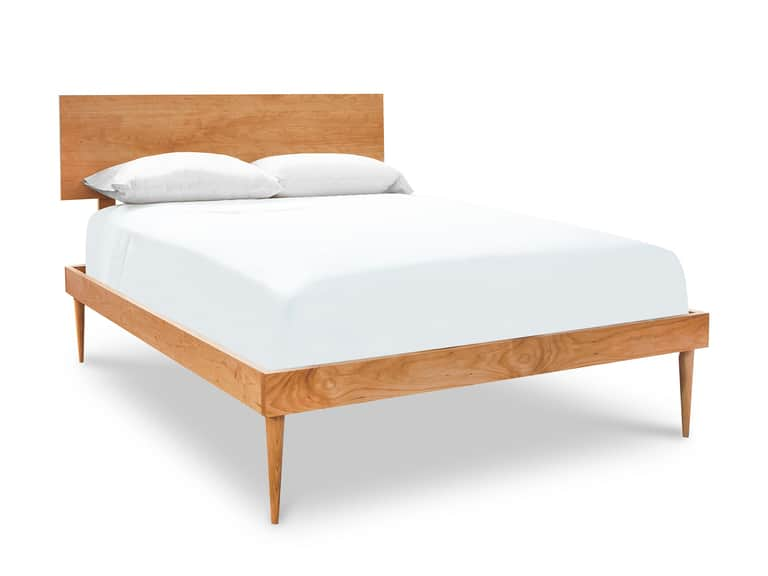
- Which bases are compatible, and could the foundation change the mattress’s feel?
- What is the full trial and return process, including fees and collection arrangements?
- How should the mattress be cleaned, rotated, or otherwise maintained?
Pay attention to how directly the answers address the questions. A clear document or specification is more useful than an assurance that cannot be connected to a model or component. If details are unavailable, mark them as unknown instead of filling the gaps with assumptions.
The best comparison is the one you can verify
Naturepedic and Obasan both sit within a growing conversation about natural and organic sleep materials. That conversation is valuable, but the words that frame it should lead to closer examination rather than replace it. A well-informed choice takes shape through specific evidence: what is inside a particular mattress, how the materials are documented, how the layers are assembled, and what the brand says about care and returns.
Comfort remains the final, individual measure. A carefully documented mattress is not automatically the right feel for every body, and a material preference cannot predict every night’s experience. Compare the specifications, test the surface when possible, understand the purchase terms, and give your own sleep position and comfort priorities a central place in the decision.
For St. Louis households, the same careful approach applies whether shopping locally or online: verify the model, ask for complete details, and check the practical terms before delivery. The goal is not to crown a universal winner. It is to find a mattress whose materials, construction, support, and care requirements make sense for the person who will sleep on it.