 Mattresses
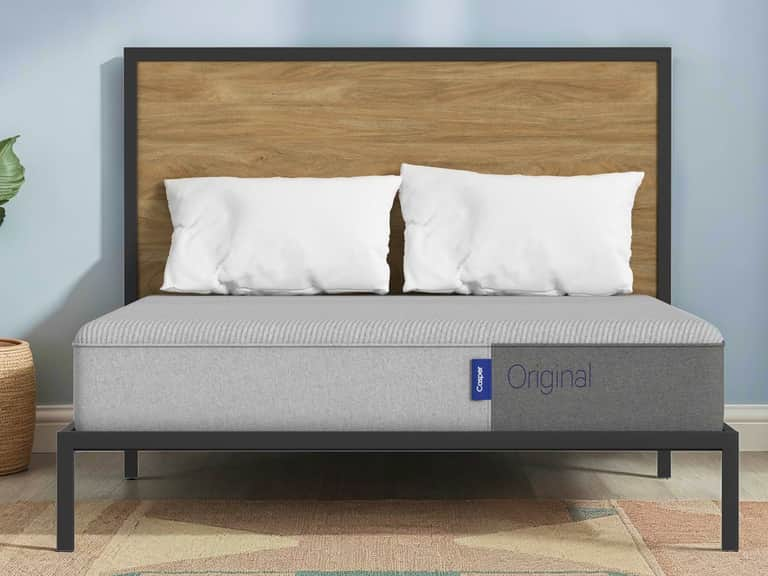
Original Mattress
Sleep cooler and cradled by responsive foam, with three zones that keep your spine aligned and pressure evenly distributed for a balanced, peaceful night.
Foam mattresses are a cornerstone of modern sleep systems, combining support and conforming comfort to adapt to different sleeping styles. Made from various polyurethane or memory foam formulations, these mattresses aim to minimize motion transfer while maintaining surface stability. Understanding density, firmness options, and cooling features helps buyers select a model that aligns with health insights and sleep preferences.
In the foam mattress category, the Original Mattress typically emphasizes balanced contouring and durable support layers. Key characteristics often include a breathable top layer, medium-firm feel, and zoned support to promote spinal alignment. This configuration can be suitable for combination sleepers who shift positions throughout the night, sustaining comfort without excessive sink-in.
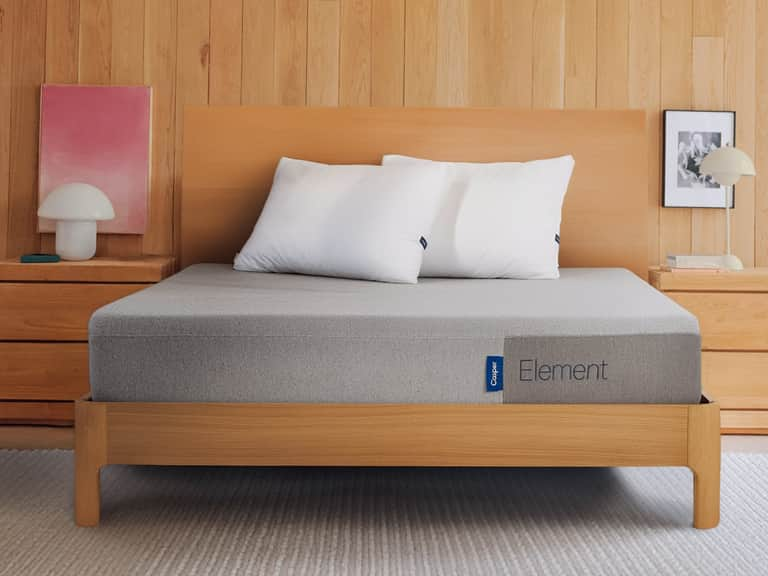
The Element Mattress combines responsive foam layers with targeted support to address pressure points in critical zones such as the hips, shoulders, and lower back. Its design prioritizes ease of movement and edge support, reducing motion transfer for couples. The result is a versatile option that supports restful alignment across various sleep positions.
Materials and construction in foam mattresses matter for temperature regulation and durability. High-density foam cores and open-cell foams can enhance airflow, while graphite or gel-infused layers may contribute to temperature neutrality. When evaluating options, consider the cover fabric, quilt padding, and the overall thickness to gauge long-term comfort and resilience.
Across this category, relevance to bedding systems—such as compatible pillows, sheets, and organic mattress considerations—helps ensure a coherent sleep environment. Understanding how foam materials interact with other components, including latex or natural fibers, supports informed decisions regarding comfort, support, and potential allergen exposure while staying mindful of personal preferences and sleep health goals.
Mattresses
 Mattresses